
Selective Catalytic Reduction (SCR)
Introduction/What is SCR
Selective Catalytic Reduction (SCR) is a technology employed for treating VOCs emissions. Its primary purpose is the reduction of nitrogen oxides (NOx) emissions. SCR is applicable to various equipment such as oil and gas internal combustion engines, oil and gas boilers, kilns, and other devices that require the treatment of nitrogen oxides (NOx).
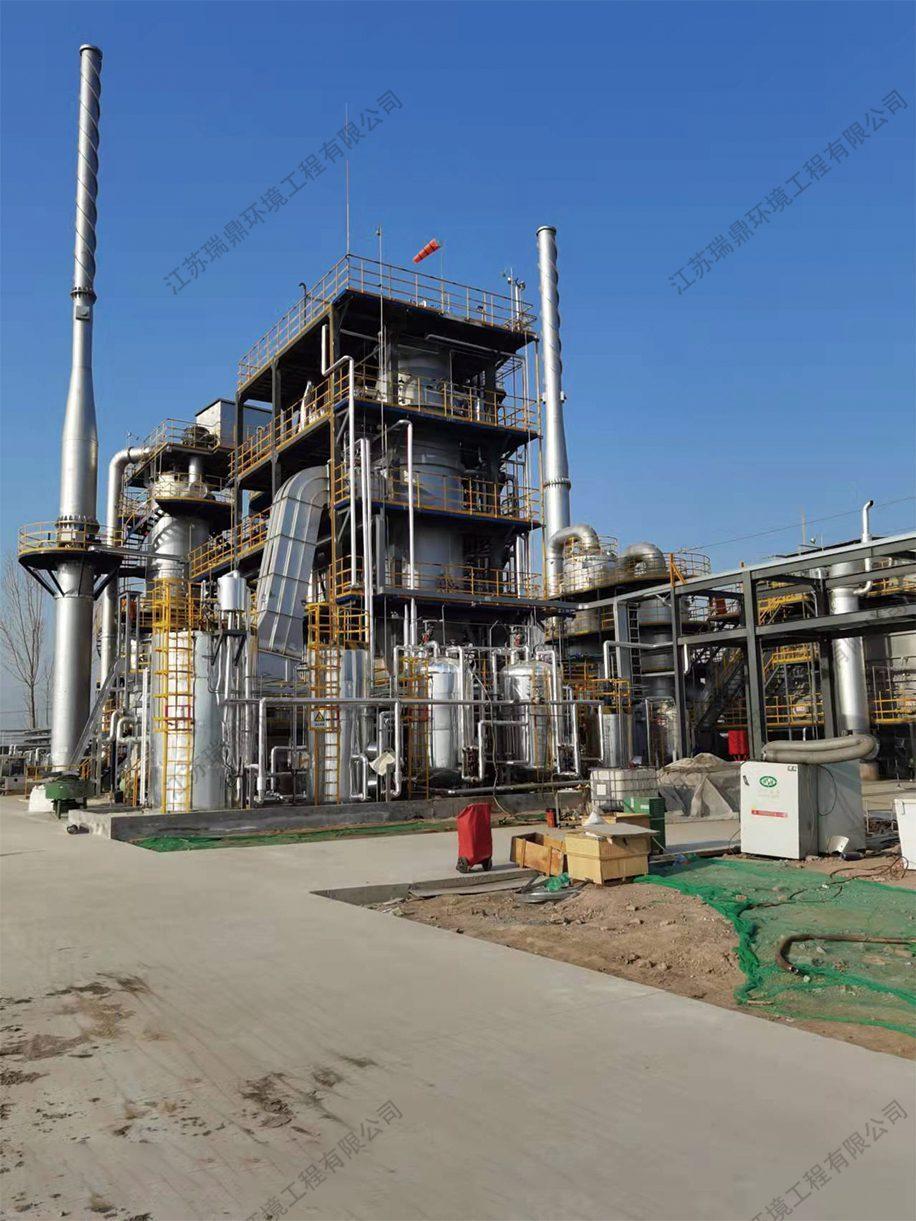
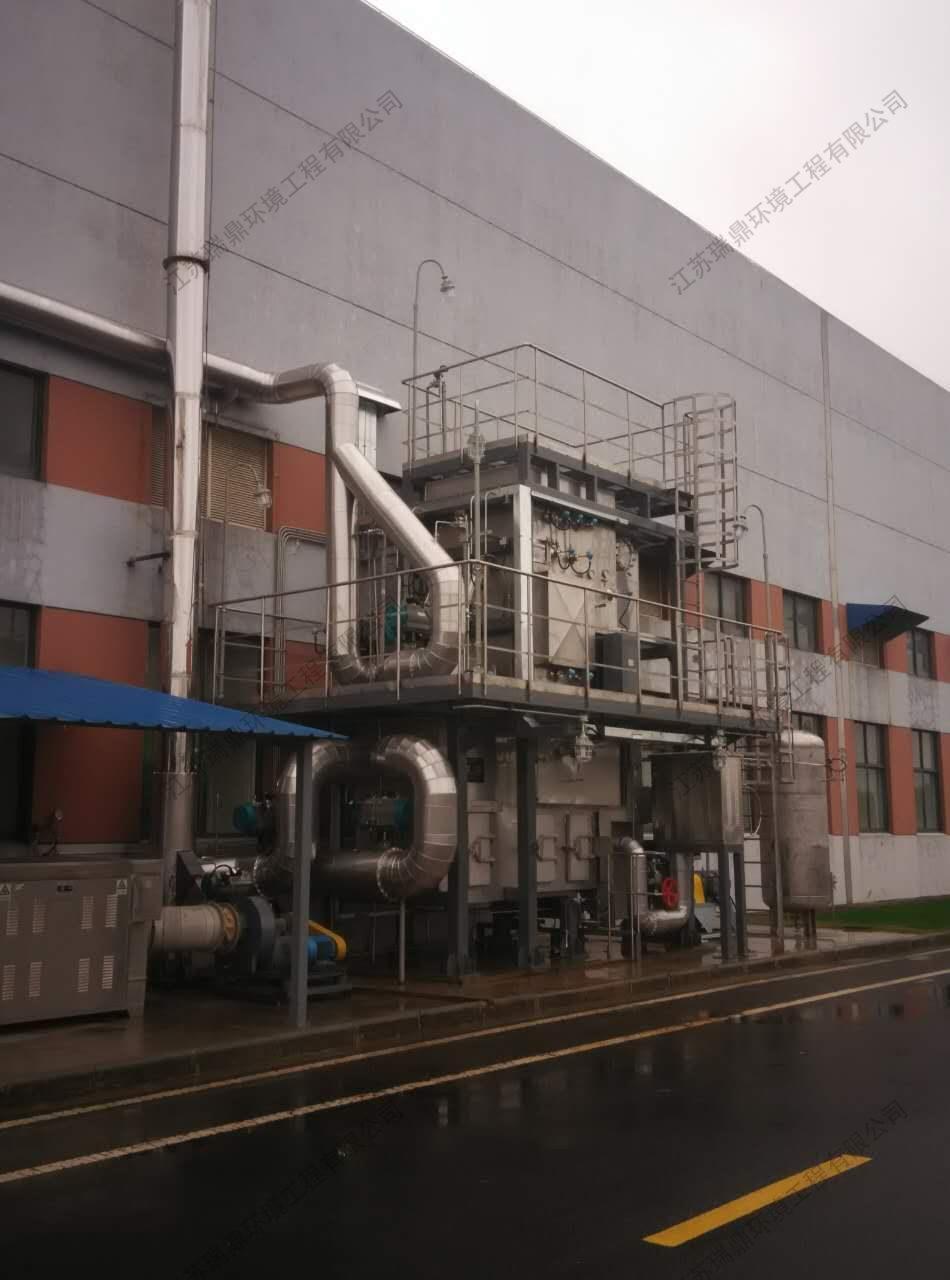
theory
The fundamental principle of Selective Catalytic Reduction (SCR) involves injecting prequalified ammonia gas or ammonia water into the flue, where it thoroughly mixes with the VOCs which contain NOx. After entering the reaction tower and coming into contact with a catalyst, under aerobic conditions, a chemical reaction occurs between the ammonia and NOx (primarily NO and NO2) present in Volatile Organic Compounds (VOCs). This reaction produces harmless N2 and H2O, effectively achieving denitrification. SCR is a mature denitrification technology commonly used in situations where denitrification within the furnace is not practical or at low temperatures. The SCR denitrification system primarily comprises components such as the SCR catalytic reactor, ammonia injection system, flue gas bypass system, and ammonia storage and preparation system.
characteristic
- SCR technology is mature and operates stably, providing safe and reliable high-efficiency denitrification without generating other pollutants.
- RuiDing possesses unique proprietary technology suitable for small-scale denitrification, offering cost savings, straightforward operational management, and low operating expenses.